
A compra de parafusos pode parecer algo simples à primeira vista, mas, para as empresas que os utilizam em máquinas e instalações industriais, é crucial garantir que os produtos atendam a normas rigorosas de qualidade e segurança. É aqui que entra a norma DIN para parafusos, que assegura que esses componentes essenciais sejam fabricados conforme padrões internacionais, garantindo eficiência e confiabilidade.
Neste post, vamos explorar o que são as normas DIN, por que elas são importantes para a indústria, e como escolher parafusos adequados para as suas necessidades específicas.
O que significa a norma DIN para parafusos?
O DIN (Deutsches Institut für Normung) é o Instituto Alemão de Normatização, responsável por desenvolver uma série de padrões técnicos aplicáveis a uma ampla gama de produtos, incluindo parafusos. Esses padrões definem especificações técnicas que devem ser seguidas na produção desses fixadores, como o material, a forma, a resistência e as dimensões.
Para parafusos, as normas DIN são amplamente adotadas em todo o mundo devido à sua confiabilidade e clareza. Elas garantem que componentes produzidos em diferentes lugares tenham as mesmas características, o que facilita a utilização em máquinas e estruturas de diversos setores. Para as empresas que precisam garantir segurança e eficiência em suas operações, o uso de parafusos padronizados por normas como a DIN é indispensável.
Principais normas DIN para parafusos
A norma DIN para parafusos inclui uma variedade de especificações que diferenciam os tipos conforme suas características e aplicações. Aqui estão algumas das normas DIN mais comuns para fixadores industriais:
- DIN 933 – parafuso de cabeça hexagonal com rosca completa: amplamente utilizado em montagens que exigem alta resistência e precisão. É ideal para máquinas industriais, onde a rigidez da conexão é importante;
- DIN 931 – parafuso de cabeça hexagonal com rosca parcial: muito semelhante ao DIN 933, mas com rosca parcial, permitindo maior flexibilidade em algumas montagens estruturais;
- DIN 912 – parafuso de cabeça cilíndrica com sextavado interno: frequentemente encontrado em montagens onde o espaço é restrito, como em equipamentos mecânicos complexos;
- DIN 7991 – parafuso de cabeça escareada com sextavado interno: usado em situações onde sua cabeça precisa ficar alinhada com a superfície da peça, proporcionando um acabamento mais limpo e evitando saliências.
Esses são apenas alguns exemplos das normas DIN mais utilizadas. Dependendo da aplicação, a escolha do tipo de parafuso deve levar em consideração a resistência mecânica exigida, o ambiente ao qual ele será exposto (como umidade ou produtos químicos) e o tipo de montagem que será realizada.
Por que é tão importante que os parafusos sigam a norma DIN?
No ambiente industrial, a segurança e a confiabilidade são cruciais. O uso de parafusos que não seguem padrões de qualidade pode resultar em falhas mecânicas, acidentes de trabalho e prejuízos financeiros. Imagine uma linha de produção de automóveis, onde fixadores não padronizados são utilizados na montagem de motores. Se um fixador de baixa qualidade falhar, o motor pode sofrer danos irreparáveis, o que não apenas prejudica a produção como também representa um risco sério à segurança dos trabalhadores e futuros usuários do veículo.
A norma DIN para parafusos garante que as especificações técnicas sejam seguidas à risca, proporcionando segurança e eficiência em montagens industriais. No setor de energia eólica, por exemplo, turbinas são montadas com parafusos DIN 931, que oferecem alta resistência. Se os fixadores inadequados forem usados, as vibrações constantes e as cargas dinâmicas podem afrouxá-los, comprometendo o desempenho da turbina e, eventualmente, provocando falhas mecânicas graves.
Para engenheiros, gestores de manutenção e compradores, ter a garantia de que os parafusos seguem a norma DIN significa poder confiar que os componentes adquiridos são de alta qualidade, compatíveis com os equipamentos utilizados, e que irão funcionar conforme o esperado, evitando problemas e custos adicionais.
Benefícios de usar parafusos certificados pela norma DIN
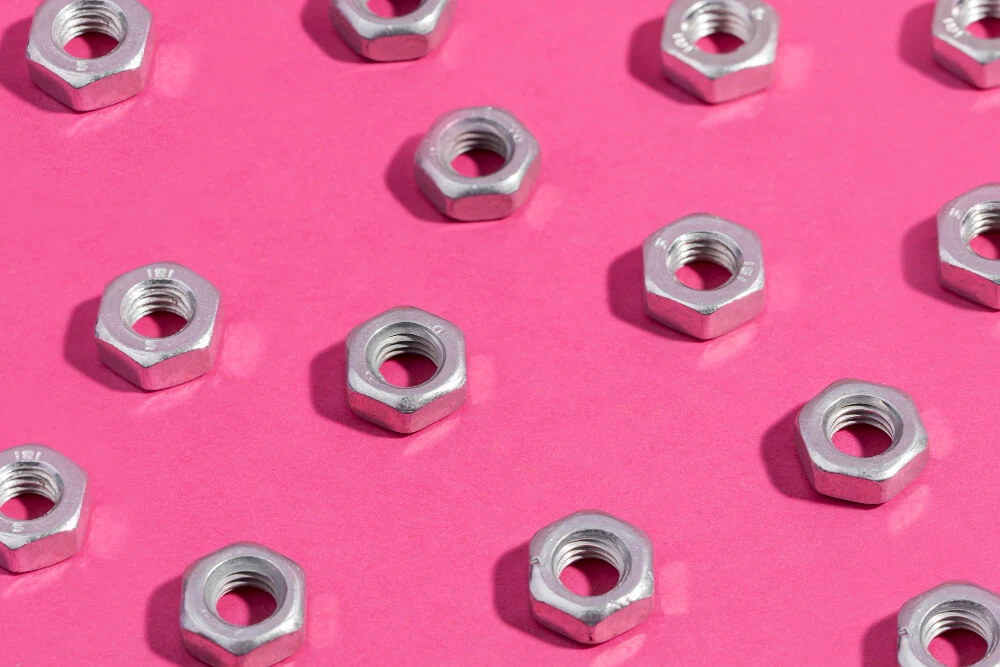
A padronização por meio da norma DIN traz diversos benefícios para as empresas que utilizam parafusos em suas operações diárias. Abaixo estão alguns dos principais motivos para optar por fixadores que seguem essas diretrizes:
Padronização e compatibilidade
Uma das principais vantagens de usar parafusos que seguem a norma DIN é a padronização. Isso facilita a substituição de peças, mesmo que sejam de fornecedores diferentes, pois sempre serão as mesmas especificações. Isso é especialmente útil em situações de manutenção, onde é necessário substituir rapidamente componentes sem comprometer a operação da máquina.
Garantia de qualidade
A fabricação de parafusos conforme a norma DIN segue processos rigorosos que garantem a durabilidade e a resistência dos produtos.Isso é essencial em indústrias onde os fixadores estão sujeitos a altas pressões, temperaturas ou ambientes corrosivos.
Segurança operacional
Parafusos que não seguem os padrões podem se soltar ou falhar sob condições extremas, causando riscos de acidentes e paradas inesperadas de máquinas. A norma DIN assegura que os componentes sejam projetados para suportar condições adversas e mantenham a integridade da montagem.
Eficiência de custos
Embora os parafusos padronizados possam, em alguns casos, ter um custo inicial maior, eles garantem a longevidade das operações e evitam falhas que poderiam resultar em custos ainda mais altos de manutenção ou reparo. Além disso, a compatibilidade entre diferentes sistemas reduz a necessidade de estoques específicos para cada máquina, facilitando a gestão de materiais.
Como escolher o parafuso DIN certo para sua aplicação
A escolha de um parafuso que segue a norma DIN deve ser baseada nas necessidades específicas de sua operação. Aqui estão algumas considerações importantes:
- Ambiente: para ambientes corrosivos, como em indústrias químicas ou próximas ao mar, é essencial escolher parafusos de aço inoxidável que seguem normas como a DIN 267. Esses modelos são projetados para resistir à corrosão e garantir longevidade;
- Carga e resistência: os modelos usados em máquinas pesadas precisam ter alta resistência mecânica. Verifique a classificação de resistência à tração, indicada pela norma DIN, para garantir que a peça suportará as cargas a que será submetida;
- Compatibilidade com a montagem: certifique-se de que o tipo de rosca, o tamanho da cabeça e o comprimento do fixador sejam compatíveis com as outras peças da montagem. Para aplicações onde o espaço é restrito, por exemplo, modelos DIN 912 podem ser mais indicados por terem cabeça cilíndrica.
A norma DIN é indispensável para a qualidade e segurança
O uso de parafusos que seguem a norma DIN é essencial para garantir a segurança, a qualidade e a eficiência das operações industriais. A padronização facilita o processo de compra e manutenção, reduzindo os riscos de falhas e garantindo que os componentes adquiridos atendam aos padrões internacionais de qualidade.
Para empresas que buscam garantir o bom funcionamento de suas máquinas e instalações, a escolha de parafusos certificados pela norma DIN é um passo importante para assegurar a confiabilidade e o sucesso das operações.
Invista em segurança e qualidade com parafusos que seguem a norma DIN e garanta a eficiência das suas operações industriais!
Continue acompanhando o blog da Dapco para oferecer serviços de instalação, manutenção e fixação ainda mais qualificados para seus clientes!

5.165 comentários em “Norma DIN para parafusos: entenda os padrões e especificações”
Superb site you have here but I was curious about if you knew of any message boards that cover the same
topics discussed in this article? I’d really love to be a
part of group where I can get feedback from other experienced people that
share the same interest. If you have any suggestions, please let me know.
Thanks a lot!
Aw, this was an exceptionally good post. Spending
some time and actual effort to create a superb article… but what can I say…
I put things off a lot and don’t manage to get anything
done.
Love the new slot games released weekly!
spinmama
https://systemcheck-wiki.de/index.php?title=Benutzer:UQTAdrianna CBD Gummies have taken the wellness market by storm, promising a natural and effective way to alleviate a range of ailments. But do these gummies live up to the hype?
I for all time emailed this web site post page to all my friends,
as if like to read it after that my contacts will too.
The casino’s mobile site is flawless.
vai de bet
https://bioniclerpg.getbb.ru/viewtopic.php?f=6&t=5661
Won a small prize, online casinos are great!
gransino
Demystifying Fake Hermès Handbags: A Detailed Overview
The realm of high-end accessories has always been fascinated by Hermes purses, specifically their iconic Birkin and Kelly designs.
These in-demand products represent sophistication, craftsmanship, and rarity,
with costs ranging from ten thousand dollars to exceeding 500,000 dollars for special editions.
With such steep worth and desirability, it’s unsurprising that Hermes has become one of the frequently duplicated designer names in the global market.
The History of Hermes
Founded in 1837 as a equestrian store in Paris, Hermès began by crafting leather equestrian accessories.
The house’s dedication to outstanding artisanship
was built from the beginning and remains to be their signature today.
Each Hermès craftsman requires no less than 24 months of education before they can produce their initial handbag,
illustrating the company’s commitment to craftsmanship.
The classic Kelly bag was introduced in nineteen thirty-five (originally called the “Sac a depeches”),
while the notable Birkin bag emerged in 1982 following a random meeting between Hermès chief executive Dumas and
icon Jane Birkin on a flight from Paris to London.
The Growth of Fake Hermes Bags
The extraordinary appeal and steep prices of authentic Hermes handbags have produced a significant market for replicas.
Current analyses show that approximately 90% of all Hermès Birkin and
Kelly bags available on the internet aren’t original, producing substantial problems for
consumers searching for the authentic item.
Today’s copycats have developed progressively advanced, utilizing cutting-edge technologies to make convincing replicas that can be hard to tell apart from real bags at first sight.
These knockoffs range from low-quality copies to premium counterfeits that mimic many
features of genuine Hermès purses.
How to Spot Original Hermès Purses
When analyzing a Hermes bag to establish its originality, authenticators assess many crucial aspects:
1. Artisanship and Materials
Genuine Hermes bags are hand-crafted with the top quality skins and outstanding attention to detail.
The leather should be smooth and pliable with a distinctive
natural scent that forgers are unable to duplicate.
The hardware should be weighty, crafted from palladium that
does not wear or flake quickly.
2. Seams
One surprising element is that because original Hermes purses are hand-crafted, the stitching should surprisingly have some irregularities.
Imitations are often machine-sewn, so they are entirely consistent
with one other. Hermes employs a unique hand-stitching technique derived from
their saddle-making history.
3. Branding and Embossing
The Hermès logo marking should say “Hermès Paris Made in France” text on 3 lines with
precise crisp stamping. On replica Hermès handbags, the mark would appear irregular,
too big, or boxy and might have indistinct borders or uneven positioning.
4. Metal parts and Components
The hardware on authentic Hermès bags includes special elements like accurate etchings, premium
closures, and correctly secured feet. Hermes makes its own zippers, so you should not ever find a manufacturer’s mark or another
company’s name on the hardware.
5. Validation Features
Remarkably, Hermès never issue certification cards with their handbags.
They have never and likely will never. If
you’ve bought a Hermes handbag and received an authentication certificate with it, it is unquestionably a counterfeit.
The Moral Issues
The fake business raises important moral questions. While counterfeit bags may look alike
to original ones, they are manufactured without the quality assurance,
fair working conditions, or sustainability guidelines that genuine luxury houses
follow. Additionally, the replica trade has been linked to illegal operations and labor exploitation.
In Conclusion
For those who respect the artisanship and legacy of Hermès,
recognizing the contrast between real and fake bags is essential.
Whether investing in for financial or personal enjoyment,
understanding how to recognize genuine Hermès craftsmanship enables verify that you’re getting what you spend for
– a example of high-end style heritage crafted with unmatched expertise and meticulousness.
If you’re planning on acquiring a Hermès handbag, the best option is to purchase straight from Hermès or from established dealers who offer detailed verification processes and certificates of authenticity.
Hello, I check your blogs like every week. Your story-telling style
is awesome, keep up the good work!
Comentários encerrados.